




Where Precision Meets Human Skill
If you’ve ever spoken with someone who works inside an operating room, you’ll notice something interesting. They don’t just talk about patients or procedures — they often talk about tools. Not in a technical, mechanical way, but almost with a sense of respect.
And honestly, that makes sense.
Surgery isn’t just about knowledge. It’s about control, timing, and trust. A surgeon might train for decades, but in the end, their ability to perform safely depends heavily on the tools they hold in their hands.
It’s a quiet partnership — human expertise paired with carefully engineered instruments — and it’s what allows modern medicine to achieve results that once seemed impossible.
The Invisible Backbone of Every Operation
Think about any surgical procedure, whether it’s routine or highly complex. Behind the scenes, dozens of carefully designed tools play a role in ensuring everything runs smoothly.
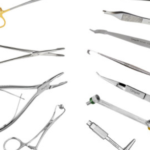
From clamps and retractors to suturing devices, these surgical tools are built with remarkable attention to detail. They must be strong enough to handle intense use, yet precise enough to operate within the delicate environment of the human body.
It’s a balance that isn’t easy to achieve.
Take something like a surgical retractor. On paper, it sounds simple — a device used to hold tissue aside. But in practice, its design determines visibility, safety, and even how long a surgery might take. A poorly designed tool can cause strain, while a well-crafted one makes the surgeon’s work almost effortless.
That’s why manufacturers invest so heavily in ergonomics, materials, and long-term durability. It’s not just about making tools; it’s about enabling confidence.
The Unique World of Bone and Joint Surgery
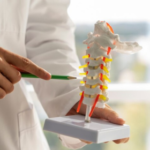
Not all surgeries are the same, and neither are the instruments used. Procedures involving bones, joints, and the musculoskeletal system require an entirely different category of tools — ones designed to handle density, resistance, and structural precision.
This is where orthopedic instruments come into play.
Unlike softer-tissue surgical tools, orthopedic devices must often withstand significant force. Think about drills used in joint replacements or saws that shape bone surfaces for implants. These tools need exceptional strength while still allowing surgeons to maintain delicate control.
What’s fascinating is how these instruments have evolved. Today’s designs focus heavily on reducing surgical trauma. Advanced coatings minimize friction, while lightweight materials reduce hand fatigue during long procedures.
And beyond performance, there’s also a human benefit. Better orthopedic tools often mean faster recovery for patients — shorter hospital stays, less pain, and improved long-term mobility.
Everyday Procedures That Rely on Precision
While specialized surgeries get a lot of attention, many procedures performed daily fall under general surgery — appendectomies, hernia repairs, gallbladder removals, and countless others.
These operations rely heavily on general surgery instruments, which are designed to be versatile, reliable, and adaptable across multiple procedures.
You’ll find tools like forceps, scissors, needle holders, and suction devices forming the foundation of almost every operating room setup. They might not sound exciting, but their importance cannot be overstated.
A surgeon’s familiarity with these instruments often determines efficiency. Over time, they learn exactly how much pressure to apply, how tools respond in different situations, and even which specific designs feel most comfortable in their hands.
It’s a relationship built on consistency — something that becomes crucial when working under high-pressure conditions.
How Technology is Changing the Surgical Landscape
Over the past decade, surgical instrumentation has undergone a remarkable transformation. It’s no longer just about steel and mechanical design.
Today, digital integration plays a major role.
Robotic-assisted systems allow surgeons to perform procedures with unmatched precision. Instruments now come equipped with sensors that provide feedback during surgery. Some even help reduce tremors, improving accuracy in extremely delicate operations.
These advancements aren’t just about innovation for its own sake — they’re about improving outcomes. Smaller incisions, reduced blood loss, and quicker recovery times are all direct results of better tools.
And interestingly, even as technology becomes more advanced, the human element remains at the center. Surgeons still rely on instinct, judgment, and experience to guide every movement.
The Human Stories Behind the Instruments
What’s often overlooked is the emotional dimension of surgical tools. For surgeons, these aren’t just objects — they’re extensions of their hands.
Many professionals have preferences developed over years of practice. Some might favor a specific brand of forceps, while others rely on tools that feel familiar and balanced.
There’s also an element of trust. During critical moments in surgery, tools must perform flawlessly. Any malfunction or inconsistency can have serious consequences.
This is why hospitals prioritize strict quality control. Instruments undergo rigorous testing, sterilization, and maintenance processes to ensure they meet the highest safety standards.
Behind every piece of equipment is a long chain of effort — engineers, designers, quality inspectors, and healthcare professionals all working together to ensure reliability.
Looking Ahead: The Future of Surgical Instrumentation
The future of surgical tools is moving toward personalization and smart technology. Researchers are exploring instruments that adapt in real time based on tissue resistance or provide data feedback during procedures.
3D printing is also beginning to influence surgical equipment design, allowing for customized tools tailored to specific procedures or patient needs.
It’s an exciting time in medicine, where engineering innovation continues to push boundaries.
Yet despite all the technological progress, one thing remains unchanged: the goal of improving patient care.
A Quiet but Powerful Impact
Most patients will never see the tools used during their surgery. They’ll wake up afterward focused on recovery, grateful for a successful outcome.
But behind every safe operation lies a world of precision engineering and human expertise working in harmony.
These instruments may not receive recognition, yet their impact is profound. They support surgeons, protect patients, and ultimately help transform medical knowledge into real, life-saving results.