
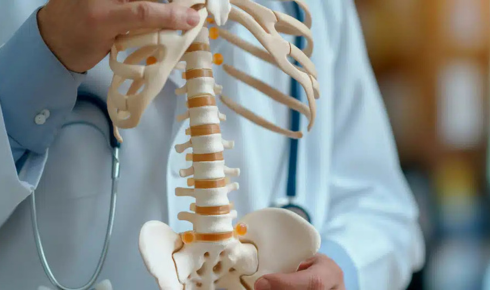
Do you often feel stiffness or pain in your back, neck, or legs that makes standing or walking uncomfortable? Many people notice that their discomfort reduces when they sit down or lean forward. These signs may indicate spinal canal stenosis, a condition where the spaces within the spine gradually narrow and place pressure on nearby nerves.
Spinal canal stenosis can affect everyday activities such as walking, climbing stairs, or maintaining balance. While the condition may sound serious, surgery is not always required. With timely diagnosis and the right approach, Spinal Canal Stenosis Treatment can help relieve pressure on the spine, reduce pain, and restore mobility through safe and non-invasive methods.
Understanding the Causes of Spinal Canal Stenosis
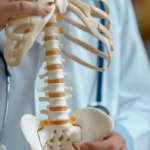
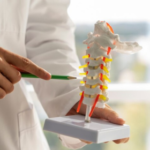
Spinal canal stenosis usually develops slowly over time. It can occur in different areas of the spine, most commonly in the neck (cervical spine) or lower back (lumbar spine). Although ageing is one of the primary causes, several structural changes in the spine may also contribute to this condition.
Common causes include:
- Degeneration or thinning of spinal discs
- Bulging or herniated discs pressing on spinal nerves
- Thickened ligaments inside the spinal canal
- Bone spur formation due to arthritis or spondylosis
- Previous injuries affecting spinal alignment
As these changes progress, the available space for spinal nerves decreases, which can lead to nerve compression and discomfort.
Symptoms That May Indicate Spinal Canal Stenosis
Recognising early symptoms is important for effective Spinal Canal Stenosis Treatment. Many individuals ignore early signs, assuming they are related to fatigue or muscle strain.
However, medical attention may be needed if you experience:
- Persistent neck or lower back pain
- Numbness or tingling sensations in the arms or legs
- Weakness or heaviness while walking
- Difficulty standing for long periods
- Balance problems or reduced walking tolerance
- Pain relief when sitting or bending forward
If left untreated, these symptoms may gradually worsen and affect daily mobility.
Non-Surgical Spinal Canal Stenosis Treatment
Modern spinal care focuses on relieving nerve pressure without invasive procedures whenever possible. Non-surgical treatments are designed to improve spinal alignment, reduce inflammation, and promote natural healing.
One advanced approach used in spinal care is Non-Surgical Spinal Decompression Treatment. This gentle, computer-guided technique carefully stretches the spine to create space between compressed vertebrae. As pressure on discs and nerves decreases, the body’s natural healing process begins to restore spinal function.
Benefits of non-surgical spinal decompression include:
- Reduced nerve pressure and inflammation
- Improved spinal flexibility and posture
- Enhanced circulation around affected tissues
- Gradual relief from pain and stiffness
- No surgery, injections, or medication required
This treatment approach can be helpful for conditions such as spinal stenosis, disc degeneration, and chronic back pain.
Lifestyle Habits That Support Recovery
Along with professional Spinal Canal Stenosis Treatment, adopting healthy daily habits can support long-term spinal health.
Helpful practices include:
- Maintaining proper posture while sitting and standing
- Using ergonomic seating with lumbar support
- Avoiding heavy lifting and repetitive bending
- Performing gentle stretching and strengthening exercises
- Staying active with regular walking
These habits reduce strain on the spine and help prevent further complications.
Restore Comfort and Confidence
Spinal canal stenosis can gradually limit movement and independence if ignored. Early Spinal Canal Stenosis Treatment plays an important role in preventing long-term nerve damage and maintaining mobility.
At ANSSI Wellness, patients receive expert-guided non-surgical spinal care designed to relieve pain, improve flexibility, and support natural healing. With the right treatment and lifestyle changes, it is possible to regain comfort and move confidently again.